Gardeners serving Highbury Fields for small front gardens
Posted on 11/10/2026
Gardeners serving Highbury Fields for small front gardens: practical, space-smart solutions that actually work
If you have a small front garden in Highbury Fields, you already know the mix of charm and compromise. There may be limited width, awkward paving, a bit of shade, a front step that eats space, and not much room to swing a watering can, let alone a mower. That is exactly where Gardeners serving Highbury Fields for small front gardens can make a real difference. The right approach turns a tight entrance into something neat, welcoming, and easy to live with, rather than a constant little headache.
This guide is for homeowners, landlords, and anyone who wants a front garden that looks cared for without becoming a part-time job. We will look at what good small-front-garden gardening involves, how it works in practice, and where the biggest wins usually come from. You will also find design ideas, maintenance advice, a comparison table, and a straightforward checklist you can use before booking work. Simple really. Well, mostly simple.
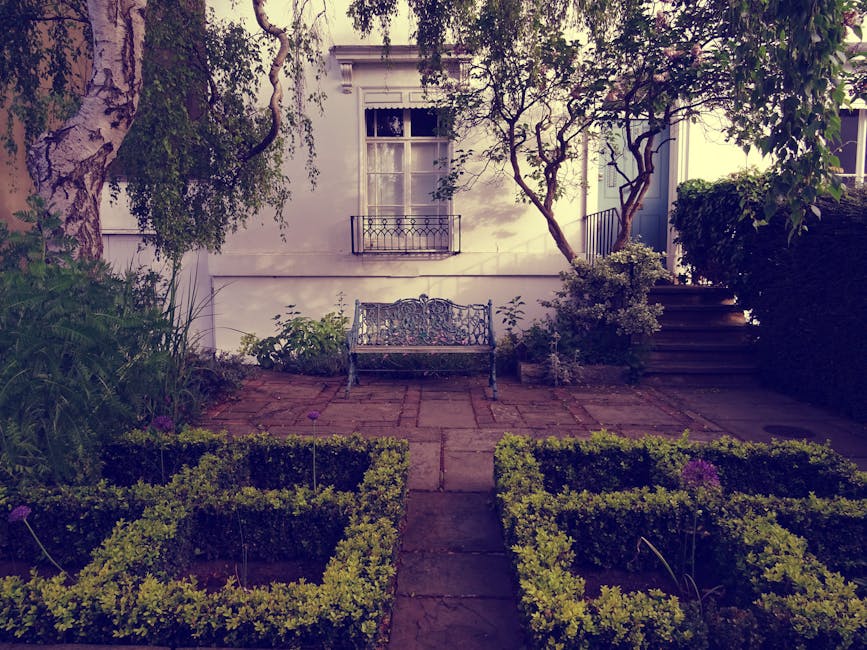
Why Gardeners serving Highbury Fields for small front gardens Matters
Small front gardens do more than decorate a property. They set the tone. In a place like Highbury Fields, where streets often feel tidy, lived-in, and urban but leafy, the front garden is part of the first impression. If it is overgrown, cluttered, or just a bit tired, the whole house can feel that way. If it is balanced and well-kept, it quietly lifts everything.
What makes these spaces tricky is that they rarely have spare capacity. Every square metre matters. A path that is a little too narrow, a shrub that grows a little too large, or a lawn that receives too much shade can make the whole space feel cramped. That is why local garden work needs more than general gardening know-how. It needs judgement. A good gardener will look at proportion, light, access, drainage, maintenance time, and the way the garden works with the house rather than against it.
There is also the practical side. Small front gardens are often exposed to foot traffic, bins, bikes, pets, and road dust. They need regular but efficient care. That is where a structured maintenance plan helps, especially if you are exploring ongoing garden maintenance in Highbury rather than one-off tidy-ups.
A small front garden should feel intentional, not squeezed in. The best results usually come from removing a little, refining a little, and choosing planting that can cope with real life.
How Gardeners serving Highbury Fields for small front gardens Works
The process usually starts with an honest assessment. Not the glossy kind. The real kind. A gardener looks at what the space actually does across the day, how much light it gets, where wind comes through, how people move through the entrance, and what the existing soil and hard landscaping are doing. In many small gardens, the first win is not adding something new, but simplifying what is already there.
From there, the work often falls into a few stages:
- Assessment: measuring the usable space, identifying problems, and setting priorities.
- Clearance and tidying: removing dead growth, weeds, clutter, and self-seeded plants that steal space.
- Reshaping: pruning shrubs, trimming hedges, and adjusting edges so the garden feels open.
- Surface improvement: refreshing mulch, gravel, paving, or edging where needed.
- Plant selection: choosing compact, hardy, and low-maintenance plants suited to the site.
- Maintenance rhythm: setting a realistic plan for mowing, trimming, watering, and seasonal checks.
In a lot of cases, a front garden makeover is tied to larger changes outside too. If the path is broken, the boundary feels weak, or the entrance is not doing its job, the gardener may suggest broader work. For example, some homes benefit from light landscaping support, boundary improvements, or even a small update to the front approach so everything feels coherent. Nothing fancy. Just sensible.
And yes, if you have a small lawn, the mowing method matters. There is a real difference between a quick tidy and a tool that leaves neat edges and less fuss next time. If you are deciding between equipment styles, the guide on automatic and manual mower options is worth a look.
Key Benefits and Practical Advantages
Let's face it: a small front garden only feels wonderful if it is also manageable. The best gardening work here gives you both. Not just pretty for a week, but tidy in the rain, calm in winter, and easy to keep in shape.
- Better kerb appeal: A neat front garden improves the look of the whole property, which matters whether you live there or plan to sell.
- More usable space: Good design makes a small plot feel bigger by reducing visual clutter.
- Less maintenance stress: Right plant choices and sensible layouts reduce repetitive work.
- Improved privacy: Carefully placed hedging or screening can soften the view from the street without making the space feel boxed in.
- Better year-round structure: Evergreen plants, compact shrubs, and clean edging keep the space looking alive even in colder months.
- Safer access: Clear paths and well-kept steps help reduce trip hazards, which is especially important in smaller entrance areas.
One of the most overlooked benefits is emotional. A front garden is something you see on the way out, and on the way back in. That tiny moment matters. A calm, orderly entrance can make the whole day feel a little more sorted. Sounds a bit soft, perhaps, but it is true.
If your goal is a lower-effort garden, there are practical methods that make a big difference. Groundcover planting, for example, can cut down weeding and bare soil issues. You can explore some useful ideas in these low-maintenance ground cover solutions, which work especially well where lawn space is limited or awkward.
Who This Is For and When It Makes Sense
This kind of gardening support makes sense for more people than you might expect. It is not just for homeowners who want a showpiece entrance. Truth be told, the strongest demand is usually from people who want their front garden to stop being a bother.
- Busy professionals: You want the garden to look good without weekend chores taking over.
- Older homeowners: Simpler planting and safer access can make everyday life easier.
- Landlords and managing agents: A tidy front space helps properties feel cared for and presentable.
- Families: Front gardens need to be practical around prams, bikes, and general daily movement.
- Pet owners: Some planting and surface choices handle paw traffic better than others.
- People planning to sell: The front garden is a small but important part of first impressions.
It also makes sense when your current setup is failing in a few predictable ways: the lawn is patchy, the hedge is too dominant, the space feels dark, or there is just too much upkeep for what you get back. If that sounds familiar, you are probably already overdue for a rethink.
For some homes, the best answer is not more planting at all. It is a cleaner layout, perhaps with paving, containers, or a defined seating nook. If that idea appeals, a guide to creating compact garden seating areas can help you think through how a tiny front plot might still be functional.
Step-by-Step Guidance
Here is a practical way to approach a small front garden in Highbury Fields without making things complicated.
- Start with a clear purpose. Ask what the space should do. Welcome visitors? Hide bins? Reduce maintenance? Add greenery without losing access?
- Measure the real usable area. Ignore the bits you cannot realistically plant, step over, or maintain easily.
- Remove what does not earn its place. Too many plants, awkward ornaments, and congested edging can make a small space feel even smaller.
- Sort structure first. Paths, borders, edging, and boundaries should make sense before you add planting.
- Choose plants for scale. Compact shrubs, clipped evergreens, ornamental grasses, herbs, and shade-tolerant plants often work better than sprawling varieties.
- Build in low-maintenance layers. Use mulch, groundcover, or containers to reduce bare soil and weed pressure.
- Trim hard, then step back. A good garden often appears after selective reduction, not after adding more stuff.
- Set the upkeep pattern. Decide what needs monthly care, what needs seasonal care, and what can largely look after itself.
A quick example: one modest front garden with heavy shade and a narrow path may do better with slender evergreen structure, a few strong containers, and a weed-suppressing underplanting scheme than with a small lawn that turns mossy every winter. That shift alone can change the whole mood of the entrance.
If you are new to gardening, a gentle starting point helps. The article on fundamental gardening tips for starters is useful background, especially if you want the basics without wading through a hundred conflicting opinions.
Expert Tips for Better Results
In small front gardens, tiny decisions have outsized impact. A border shifted by 20 centimetres can change the whole sense of space. That is why local experience matters so much.
- Use repetition carefully. Repeating two or three plant types creates calm. Too many varieties create noise.
- Keep the eye moving. Vertical elements, clipped shapes, and layered heights can stop a small garden from feeling flat.
- Work with shade, not against it. If the front garden is shady, choose plants that are actually happy there rather than fighting the site.
- Think in seasons. A good front garden should still look respectable in January, not only in June.
- Protect the entrance line. Keep the route from gate to door easy, dry enough, and free of awkward overhangs.
- Choose pruning over replacement when possible. Many small gardens recover beautifully once oversized growth is reduced.
Privacy is a frequent issue too. A small front garden does not need a high wall of planting, but it can benefit from smart screening. The right hedge or thicket-style planting gives softness without stealing all the light. If that is on your mind, have a look at fast thicket hedge ideas for privacy.
And if your garden is exposed to a breeze, which happens more than people expect in front-facing London plots, it is worth planning for it. A useful discussion of this is covered in designing gardens with wind in mind. Wind can flatten light plants, dry out containers, and make small spaces feel harsher than they really are.
One more thing: if you like a tidy line, hedge trimming is not just about neatness. It is about shape, balance, and controlling scale. That can be the difference between a crisp front garden and one that feels like it is slowly taking over the pavement. A slightly dramatic hedge, and there it goes. If you need a deeper dive, the piece on artistic hedge trimming is a solid companion read.
Common Mistakes to Avoid
Small front gardens are easy to overdo. People usually do not mean to. They just start adding things, and before long the space has become busy, shaded, and harder to navigate.
- Overplanting: Too many shrubs or perennials will crowd one another and create future maintenance problems.
- Using plants at the wrong scale: A plant that looks fine in a nursery pot may become too large for a narrow border.
- Ignoring winter structure: If everything disappears for half the year, the front garden can feel bleak.
- Choosing high-maintenance features: Frequent deadheading, fussy edging, and demanding lawn care add up quickly.
- Forgetting access: A beautiful planting scheme is not useful if it blocks bins, delivery access, or the front step.
- Neglecting drainage: Puddling and soggy soil can kill simple improvements fast.
Another classic mistake is treating a small front garden as if it were a rear garden. It is not. Front spaces face street dust, weather, and a greater need for order. They also get judged more quickly, unfairly perhaps, but judged all the same. Because of that, low-maintenance planning is often better than trying to create a tiny version of a country border.
For those who want to minimise chores, the practical advice in budget-friendly low-maintenance garden strategies is especially relevant here.
Tools, Resources and Recommendations
You do not need a shed full of gadgets to keep a small front garden in shape. In fact, too many tools can become part of the problem. A compact, sensible kit is usually enough.
| Tool or Resource | Best Use | Why It Helps in Small Front Gardens |
|---|---|---|
| Secateurs | Light pruning and deadheading | Keeps shrubs and perennials in proportion |
| Hand shears | Shaping small hedges and edging | Useful where powered tools are overkill |
| Short-handled hoe or hand weeder | Quick weed control | Ideal for narrow borders and paving joints |
| Lightweight mower or edging tool | Small lawn maintenance | More practical than bulky equipment |
| Mulch or compost | Soil improvement and weed suppression | Helps planting beds stay tidy longer |
| Containers | Flexible seasonal planting | Great for awkward corners and renters |
If the garden is being redesigned from scratch, it is worth looking at the broader toolkit a professional uses. The guide on tools every gardener should own gives a useful sense of what really matters versus what is just nice to have.
For small spaces, containers deserve special mention. They are not a fallback option, contrary to what some people assume. They are often the smartest option. They allow seasonal change, easy replacement, and neat placement by a front door or along a wall. If you want more on that, container gardening ideas are well worth exploring.
You can also use vertical elements to expand the sense of space without claiming extra ground. Climbing plants, wall-mounted planters, and slender features can give height and interest. The article on vertical gardening explains why that works so well in compact urban plots.
Law, Compliance, Standards, or Best Practice
For small front gardens, the main compliance issues are usually practical rather than legalistic. That said, there are a few points worth keeping in mind. Good gardeners work safely, respect boundaries, and avoid creating hazards for residents or passers-by.
Best practice usually includes:
- Safe access: Paths, steps, and entrance routes should remain clear during work.
- Responsible waste handling: Cuttings, soil, and removed material should be dealt with properly rather than dumped loosely.
- Care around trees and hedges: Larger work may need more caution, especially near shared boundaries.
- Respect for neighbours: Noise, debris, and overspray should be controlled where possible.
- Insurance and safety awareness: Anyone working on your property should be clear about safe working practices and cover.
For customers, it is sensible to check that the company has clear policies and procedures. That may sound dull, but it matters. Pages such as the health and safety policy, insurance and safety information, and terms and conditions help you understand how work is handled. If you care about how data is managed, the privacy policy and cookie policy are useful too. Not glamorous, but very normal for a reputable service.
And if you ever need to raise a concern, a clear complaints route is a good sign. A business willing to explain itself usually takes the work seriously. That is worth something.
Options, Methods, or Comparison Table
Different small front gardens call for different approaches. Here is a practical comparison of common methods.
| Method | Best For | Strengths | Trade-Offs |
|---|---|---|---|
| Compact lawn with edging | Simple, classic front gardens | Clean, familiar, softens the entrance | Needs mowing and can struggle in shade |
| Container-led planting | Very small or awkward plots | Flexible, tidy, easy to refresh seasonally | Needs watering and occasional feeding |
| Groundcover and mulch scheme | Low-maintenance goals | Reduces weeds, holds moisture, looks calm | Can take time to establish |
| Hedge and screen approach | Privacy needs and boundary definition | Softens street views and adds structure | Needs trimming to avoid bulk |
| Mixed design with vertical interest | Modern, space-saving front gardens | Feels larger and more designed | Requires a little planning to avoid clutter |
If you are stuck between keeping a lawn and moving to a more planted design, think about how often you actually use the space. A lawn is lovely if it is properly sized and realistically maintainable. If not, a planted or paved solution may be kinder to you in the long run. There is no prize for keeping a miserable patch of grass, after all.
For lawn-specific support, the dedicated lawn care service information and lawn mowing page are useful if your front garden still includes turf and you want it kept neat.
Case Study or Real-World Example
Here is a realistic kind of project you might recognise. A narrow front garden in Highbury Fields had a tired lawn, a hedge that had grown wider than intended, and a couple of containers that looked fine in summer but lonely by November. Nothing broken, nothing dramatic. Just a space that had slowly drifted out of proportion.
The first step was not planting more. It was removing excess growth, redefining the edge, and opening a clear line from gate to front door. The hedge was reduced to a better scale, the lawn was simplified, and the border was reworked with compact evergreen structure and a few seasonal accents. A shadier side of the plot was given a tougher planting palette instead of fighting for sun it never really had.
The result was not flashy. That is the point. It looked calmer, wider, and easier to maintain. By the next wet week, it still looked tidy rather than muddy. By late afternoon, it had enough shape to feel cared for without demanding constant attention. You could see the difference immediately from the pavement. A small change, but an important one.
That kind of result often comes from joining a few services together rather than treating the garden as one isolated task. For example, a front garden refresh might be paired with hedge trimming in Highbury, a little patio cleaning for the entrance area, or even a broader refresh through general gardening services in Highbury.
That kind of joined-up thinking is usually what makes the work feel finished rather than half-done.
Practical Checklist
Use this checklist before you book work or begin a front garden refresh:
- Is the main goal appearance, privacy, lower maintenance, or all three?
- Have you measured the usable planting and walking space?
- Do you know which areas are sunny, shady, or wind-exposed?
- Are there any access issues around steps, bins, bikes, or doors?
- Do you want to keep a lawn, replace it, or reduce it?
- Have you identified plants that suit the light and soil conditions?
- Would containers or vertical features help the space feel larger?
- Do you need a hedge trimmed, reshaped, or reduced in bulk?
- Have you thought about winter appearance as well as summer colour?
- Is the maintenance plan realistic for your time and budget?
A quick sanity check: if the plan sounds lovely but impossible to keep up, it is probably the wrong plan. Better to have a slightly simpler front garden that stays good, rather than a perfect one that collapses by August. Happens all the time.
Get a free quote today and see how much you can save.
Conclusion
Small front gardens in Highbury Fields do not need to be grand to be effective. They just need to be well judged. The best work is usually not about filling every inch, but about making careful decisions that improve the whole experience of arriving home. Better structure, better plant choices, better maintenance, less fuss.
If your front garden feels crowded, dull, or hard to manage, you are not stuck with it. A thoughtful redesign or tidy maintenance schedule can make a surprisingly big difference. And because the space is small, those improvements tend to show up fast. One pruning session, one border rethink, one better surface choice, and suddenly the place breathes again.
That is the real value of experienced gardeners serving Highbury Fields for small front gardens: not just nicer planting, but a front space that feels lighter, calmer, and easier to live with day after day. Which, honestly, is what most people want in the end.


Renowned for her organizational skills and meticulous attention to detail, Laura excels as a professional gardener. Her expertise in landscaping, combined with her writing abilities, has benefited countless individuals in creating gorgeous gardens.