Local gardeners for Gillespie Park and community green spaces
Posted on 19/10/2026
If you care about Gillespie Park and the green spaces around it, you already know they need more than a quick tidy now and then. Paths get busy, borders drift, hedges loosen shape, lawns thin out, and the small jobs quietly pile up. Local gardeners for Gillespie Park and community green spaces bring the steady, practical care that keeps these places usable, attractive, and resilient through the year.
This guide explains how community garden maintenance works, what local gardeners actually do, who benefits most, and how to choose the right approach for shared outdoor spaces. It also covers common mistakes, useful tools, and best-practice considerations so you can make sensible decisions without overcomplicating things. Truth be told, public-facing green spaces can look simple from a distance, but they rarely stay that way for long.
Quick takeaway: the best results usually come from consistent, light-touch maintenance rather than big, infrequent interventions. Regular attention keeps a park edge, verge, courtyard, or communal border looking cared for without making the space feel overworked.
For readers planning wider improvements, useful background reading can help too, such as low-maintenance garden ideas, hedge trimming techniques, and how gardening supports climate resilience.
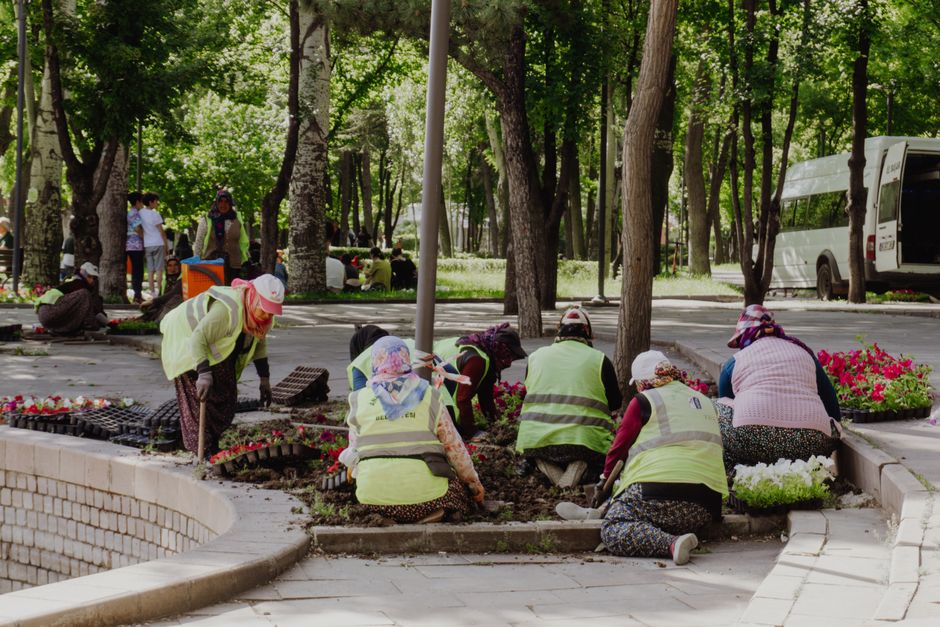
Why Local gardeners for Gillespie Park and community green spaces Matters
Community green spaces are different from private gardens in one simple way: lots of people use them, notice them, and rely on them. That means the work has to balance appearance, safety, biodiversity, and durability all at once. A path-edge border that looks lovely in April may become scruffy by July if nobody manages self-seeding, seasonal growth, or footfall around it.
Local gardeners matter because they understand the pace of the area. In a place like Gillespie Park, conditions can shift quickly after a wet week, a spell of warm weather, or a burst of heavy use. A local team is more likely to recognise what the space needs now rather than relying on a one-size-fits-all routine. That difference matters. A lot.
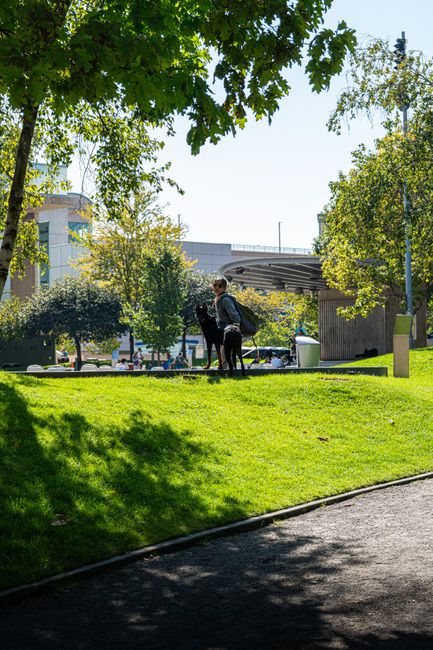
There is also a community aspect that gets overlooked. Parks, pocket gardens, seating corners, and shared planting beds are part of the neighbourhood's everyday rhythm. They are where people pause, chat, walk dogs, read, or let children explore. Keeping those places neat and healthy makes them feel cared for, and that feeling tends to spread. People respect spaces that look looked after.
Good garden care in shared spaces also supports wider environmental value. Healthy planting can soften hard edges, support pollinators, improve soil structure, and reduce the sense of urban heat. If you want a broader look at that side of things, turning organic waste into soil is a helpful related idea.
How Local gardeners for Gillespie Park and community green spaces Works
In practice, community gardening usually starts with a site assessment. A gardener walks the space, notes the plant types, condition of the soil, areas of wear, drainage, shade patterns, and any recurring trouble spots. This is the boring bit on paper, but it is where good work begins. Without it, you are just guessing.
From there, maintenance is usually split into regular tasks and periodic tasks. Regular work might include mowing, edging, weeding, deadheading, litter-aware tidy-ups, light pruning, and checking for plant stress. Periodic work often covers hedge shaping, soil improvement, seasonal planting, mulching, tree care, and more substantial clearance or renovation work.
Local gardeners for Gillespie Park and community green spaces may also coordinate around public access. That means working with opening times, keeping walkways safe, avoiding disruption, and being careful about noise. If you are weighing mowing approaches for a shared lawn, this discussion of automatic versus manual mowers is useful because not every method suits a public-facing setting.
One thing people often miss is that shared green spaces benefit from flexible schedules. A weekly visit in spring may be right, but in autumn the same space may need leaf clearance and bed work instead. In winter, the focus often shifts to structure, drainage, and protection. In other words, the plan should move with the season, not fight it.
Key Benefits and Practical Advantages
The most obvious benefit is appearance. A tidy, well-kept green space feels more welcoming straight away. But appearance is only the surface. The deeper gains are often practical and long-term.
- Safer shared areas: regular cutting, clearing, and pruning reduce trip hazards, overgrowth, and blocked sightlines.
- Better plant health: steady care prevents small issues from becoming expensive problems.
- More usable spaces: seating areas, play-adjacent zones, and paths stay more inviting when they are not swallowed by growth.
- Improved biodiversity management: a skilled gardener can support wildlife while still keeping the site orderly.
- Lower long-term costs: little-and-often care often reduces the need for disruptive repairs later on.
There is also a community confidence effect, which sounds a bit grand until you see it in real life. A space that looks actively maintained tends to attract more respectful use. People are less likely to dump debris, trample beds, or ignore broken edges when the area clearly matters to someone.
For gardens that need to stay attractive with modest upkeep, a few related approaches can help. Ground cover can cut down on weeding, which is why low-maintenance ground cover solutions are so practical. In shaded corners, planting choices matter too, and shade-tolerant climbers and greens can make awkward spots far more resilient.
Who This Is For and When It Makes Sense
This kind of service makes sense for residents' groups, housing associations, schools, faith communities, small businesses with shared outdoor frontage, and anyone responsible for a communal garden, courtyard, or park edge. It is especially useful when no one person wants to be "the gardener" for everything, every week. Understandable, really.
It also makes sense if a space has a mixed purpose. A community green space might need tidy presentation at the entrance, a softer wildlife-friendly corner at the back, and robust lawns or paths in high-traffic areas. That balance is hard to maintain casually. A local gardener can plan for that instead of trimming everything the same way.
Here are a few signs you may need professional support:
- weeds keep returning faster than volunteers can remove them
- hedges or shrubs are starting to block views or access
- grass is patchy, scalped, or mossy in repeated spots
- plant beds look tired, bare, or overrun
- there is no reliable seasonal maintenance rhythm
- the space feels neglected even after occasional tidy-ups
For a more decorative or people-focused upgrade, ideas like seating zones can make a huge difference. Creating garden seating areas can help turn a pass-through spot into somewhere people actually want to stay awhile.
Step-by-Step Guidance
If you are setting up a maintenance plan for a shared green space, the most reliable approach is simple and methodical. Nothing glamorous. It just works.
- Walk the site properly. Look at access points, worn patches, drainage issues, hedge lines, shading, and areas where litter gathers.
- Define the goal. Is the priority neatness, biodiversity, community use, low maintenance, or all four?
- Split the space into zones. High-traffic areas, display areas, and wildlife-led corners usually need different treatment.
- Set a seasonal schedule. Spring, summer, autumn, and winter bring very different tasks.
- Choose the right cutting and pruning plan. Some areas need frequent mowing; others benefit from less disturbance.
- Improve the soil where needed. Compacted or tired soil is often the hidden cause of weak planting.
- Keep records. Even a basic log of what was done and when helps you spot patterns.
- Review after each season. What worked? What looked good but caused extra work? That last question saves time later.
A practical example: a communal border near a main path may be planted with hardy, tidy plants and edged regularly, while a quieter back section could support more relaxed planting and pollinator-friendly growth. Same site, different jobs. That is usually the smart move.
Expert Tips for Better Results
Experienced gardeners tend to focus on consistency, not drama. The best results often come from a few quiet habits done well.
First, match maintenance to the site's use. A park corner used by children every day needs different treatment from a calmer ornamental bed. That sounds obvious, but it is easy to forget when you are trying to make the whole place look neat.
Second, prune for shape and health, not just neatness. Shaving everything into a box can look tidy for a week, then odd for months. Better to think in lines, balance, and future growth. If hedge work is part of your plan, professional hedge trimming support can keep things consistent without overcutting.
Third, keep water and soil in mind. Plants suffering in dry, compacted, or windy spots need more than feed. They need conditions that let roots do their work. If your space is exposed, the guidance in designing gardens with wind in mind is worth a look.
Fourth, think about what happens in winter. Public spaces are often left to "sort themselves out" once the weather turns. That is usually when the damage starts. A little prep now saves a lot of regret later. Honest.
Fifth, don't ignore the edge details. A clean line along a border, a tidy path edge, or a well-kept shrub base does more visual work than people think. Those details signal care.
If the space is meant to feel calm or restorative, subtle design choices matter too. You can explore that idea through zen-inspired garden ideas, especially if the goal is a quieter, more reflective atmosphere.
Common Mistakes to Avoid
Shared spaces go wrong in predictable ways. Luckily, most of them are avoidable.
- Over-tidying everything: removing all leaf litter, cover, or structure can hurt habitat value and leave spaces looking flat.
- Using one maintenance schedule for every area: front-facing beds and back corners rarely need the same treatment.
- Letting weeds mature: once seeding begins, the job gets harder fast.
- Cutting hedges or shrubs at the wrong time: this can affect nesting, flowering, and recovery.
- Ignoring drainage issues: soggy areas will keep disappointing you until the cause is addressed.
- Choosing plants for looks only: if they cannot handle local light, wind, or wear, they will struggle.
- Skipping the review stage: without a seasonal check-in, the same problems come back again and again.
Another common slip is assuming community green spaces should be low maintenance by default. Sometimes they can be, but only if the planting and layout are designed that way from the start. A useful companion read here is budget-friendly low-maintenance gardening, which explains the kind of choices that reduce future effort.
Tools, Resources and Recommendations
You do not need a truckload of gear to manage a shared garden properly, but you do need the right basics. The right tools save time, reduce strain, and make the work cleaner.
For everyday maintenance, a decent gardener usually relies on:
- hand shears and secateurs
- rakes for leaves and loose debris
- spades and border forks
- edging tools
- mowers or brush-cutting equipment where appropriate
- gloves and basic protective clothing
- compost bins or sacks for green waste handling
If you are starting from scratch, the essential tools every gardener should own is a practical place to begin. For greener disposal habits, eco-friendly organic waste solutions can help convert cuttings into useful soil rather than sending everything away.
When the space includes lawns, it is worth thinking about mowing strategy as part of the overall plan. Some sites need a very neat finish; others benefit from a gentler cut pattern. The right method depends on use, season, and the condition of the grass. If you are dealing with turf that also needs feeding, aeration, or weed suppression, a broader lawn-care plan is usually the wiser route.
One more small but important point: equipment should suit the environment. A heavy mower on soft ground, for example, can create more problems than it solves. That is the kind of mistake that only appears after a few damp mornings. Not ideal.
Law, Compliance, Standards, or Best Practice
For community green spaces in the UK, the safest approach is to follow sensible best practice and any site-specific requirements from the organisation responsible for the land. That may include agreed access times, safeguarding expectations, waste handling rules, noise considerations, and safety procedures for volunteers or contractors.
Where tree work is involved, qualified judgement matters. Overcutting or unsafe pruning can create risk, damage the tree, or lead to avoidable disruption. In many cases, it is better to use competent tree care rather than treat mature trees like oversized shrubs. If tree work is part of the brief, tree surgery support can help address more technical needs responsibly.
Health and safety should be taken seriously even in small spaces. Shared sites often involve uneven ground, tools, public access, and occasional volunteer participation, so clear working methods matter. Useful site pages such as health and safety policy and insurance and safety guidance reflect the kind of professional care people should expect when work is being done around the public.
Accessibility is another practical concern. Paths, entrances, and seating areas should remain usable where possible, and maintenance should not create hidden obstacles. A well-kept community space is not just attractive; it should also be considerate and easy to navigate. That is especially true for spaces used by children, older residents, or people with mobility needs.
Options, Methods, or Comparison Table
Different maintenance approaches suit different spaces. Here is a straightforward comparison to help you think it through.
| Approach | Best for | Strengths | Watch-outs |
|---|---|---|---|
| Weekly light maintenance | Busy communal spaces and park-facing areas | Consistent appearance, fewer problems building up, easy to monitor | Needs regular scheduling and dependable follow-through |
| Monthly deep maintenance | Lower-use areas or spaces with slower growth | Efficient for some budgets, good for seasonal tasks | Can let weeds, hedge growth, or litter issues build up between visits |
| Volunteer-led tidy-ups | Community gardens and resident-led spaces | Cost-sensitive, community-building, flexible | Varied skill levels, inconsistent standards, harder to plan around |
| Professional contract maintenance | Public-facing or higher-value shared spaces | Predictable quality, reliable scheduling, better risk management | Needs clear brief and budget planning |
In practice, many good green spaces use a blend. Volunteers may handle light tidying or planting days, while a professional gardener handles mowing, hedge work, pruning, and seasonal resets. That hybrid model often keeps momentum without burning people out.
For example, a small park corner might be maintained weekly in spring and summer, with a deeper tidy in autumn and a protection-focused visit in winter. Simple. Realistic. And easier to stick to than an over-ambitious plan that nobody can keep up with.
Case Study or Real-World Example
Imagine a local communal space with a narrow lawn strip, a hedge boundary, a couple of shaded beds, and a bench area that gets steady use. In early spring, the lawn looks promising but a bit uneven, the hedge has started to encroach, and the shaded beds are patchy. Nothing dramatic. Just one of those spaces that has been left to "see how it goes."
A sensible gardener begins with a cleanup, then separates the site into functional zones. The lawn is given a mowing plan and weed attention. The hedge is shaped back carefully so it still feels natural, not butchered. The shaded beds are replanted with suitable species rather than forcing sun-loving plants to struggle. The bench area gets edged and cleared so it feels like an invitation, not a storage zone.
After a few visits, the change is noticeable. The path feels clearer, the planting looks more intentional, and people begin using the bench more often. Nothing fancy. Just a space that finally feels cared for.
That kind of result is especially likely when a team also thinks about growth over time, not just today's visual fix. A better plan now usually means less mess later. And less friction, which is underrated in community work.
Practical Checklist
Use this checklist before starting or reviewing maintenance for Gillespie Park-style community spaces:
- walk the whole site and note problem areas
- identify high-use routes, seating spots, and hidden corners
- separate tidy display areas from more natural planting areas
- check hedge height, spread, and sightlines
- review lawn condition, moss, and weed pressure
- look for drainage problems, shade issues, and compacted soil
- confirm access times and public-use constraints
- plan for seasonal tasks, not just one-off tidy-ups
- decide what volunteers can safely handle and what needs professional care
- keep a simple record of what was done and when
- review waste handling and composting options
- make sure paths, steps, and entrances stay clear
A short checklist like this saves time, and oddly enough, it makes groups much calmer. People like knowing there is a process, even a simple one.
Conclusion
Local gardeners for Gillespie Park and community green spaces do more than cut back growth and keep things neat. They help protect how a place feels, how it functions, and how people use it through the seasons. In a shared setting, that really matters. A good gardener balances presentability with practical care, which is not always easy but absolutely worth doing well.
The smartest approach is usually steady maintenance, thoughtful planting, and a plan that respects the way the space is actually used. When that happens, the green space stops feeling like a problem to manage and starts feeling like part of the neighbourhood's identity. That is the goal, really.
If you are planning improvements, reviewing maintenance arrangements, or simply trying to make a community space easier to love, now is a good time to take the next step.
Get a free quote today and see how much you can save.

Renowned for her organizational skills and meticulous attention to detail, Laura excels as a professional gardener. Her expertise in landscaping, combined with her writing abilities, has benefited countless individuals in creating gorgeous gardens.