Same day gardeners in Highbury for storm and flood damage
Posted on 12/11/2026
When a storm rips through a garden or heavy rain leaves the ground sodden, the damage can feel immediate and oddly personal. One minute your borders are tidy, your lawn is holding together, and the next you've got broken stems, fallen branches, muddy paths, blocked drainage, and a space that simply looks defeated. That is where Same day gardeners in Highbury for storm and flood damage become genuinely useful. They are not just there to make things look neat again; they help you get the garden safe, stable, and recoverable before the mess turns into a longer-term problem.
This guide explains what same-day storm and flood response involves, how it works in practice, what to prioritise first, and how to judge whether you need emergency clearance, repair, pruning, or a full reset. If you are staring out at a battered garden in Highbury right now, take a breath. There is a sensible way through it.
Why Same day gardeners in Highbury for storm and flood damage Matters
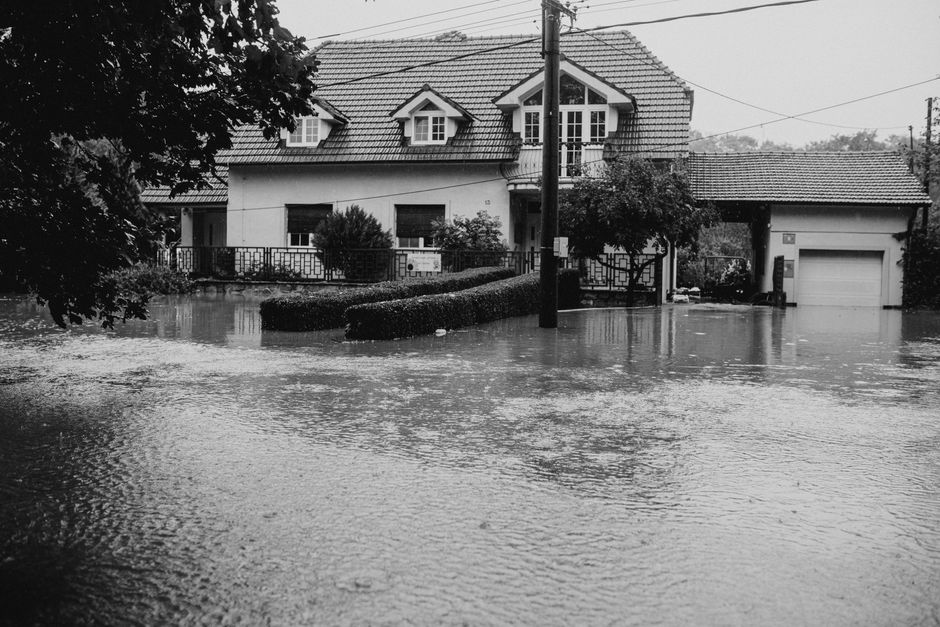
Storm and flood damage in a garden is often more than cosmetic. A snapped shrub can expose root systems, pooled water can weaken soil structure, and wind-blown debris can hide trip hazards or crush softer planting. In a built-up London area like Highbury, gardens are often compact, layered, and shared with patios, fences, decks, and narrow side access. That makes urgent cleanup more than a tidy-up job; it's a practical safety task.
To be fair, most gardens can survive a rough week. The problem is when damage sits untouched. Saturated soil can compact further, turf can rot, timber can stay wet, and broken branches may keep tearing bark or scraping structures. In some cases, a small issue becomes a bigger, pricier repair simply because nobody got to it quickly enough.
Same-day help is valuable because timing changes outcomes. A gardener who can attend quickly may be able to save a plant, redirect water, clear drainage, and prevent contamination from mud and leaf litter. If your outdoor space is part of daily life - a family area, a dog run, a route to bins, or just the view from your kitchen window - the speed of recovery matters. More than people expect, actually.
There is also peace of mind. After a storm, people do not usually want a big redesign. They want the garden made safe, sorted, and less overwhelming. That is the real promise here.
For broader recovery planning, it can help to read about preparing your green space for harsh weather conditions and how gardening supports climate resilience, because quick recovery and longer-term resilience are really two sides of the same coin.
How Same day gardeners in Highbury for storm and flood damage Works
The process is usually straightforward, though it can look different depending on the scale of the damage. In most cases, same-day response begins with a rapid assessment. The gardener checks what is unsafe, what is salvageable, and what needs immediate removal. That first look is important because the wrong first move can damage healthy plants or spread wet soil further across the garden.
After that, the work usually falls into a few practical categories:
- Clearance: removing fallen branches, leaves, broken containers, and windblown debris.
- Safety checks: identifying unstable trees, loose fencing, lifted paving, slippery decking, or damaged structures.
- Drainage response: clearing blocked channels, lifting debris from gullies, and helping surface water move away from the garden.
- Plant recovery: pruning torn stems, re-tying leaning shrubs, and checking whether roots have been exposed or waterlogged.
- Surface cleanup: washing down hard landscaping where mud and silt have settled, often alongside patio cleaning in Highbury if paths or paved areas are heavily marked.
Sometimes the response is light-touch: a few hours of clearance, minor pruning, and a plan for follow-up care. Other times it is more involved. A flooded border with collapsed edging, for example, may need regrading, soil replacement, and a rethink of planting choices. A storm-damaged tree may need more specialist attention, and that is where tree surgery in Highbury may be the sensible next step.
The best same-day gardeners do not rush blindly. They work quickly, yes, but they also sequence the job properly. First safety, then access, then recovery, then the finish. That order matters a lot.
If the damage is part of a wider garden improvement, a same-day callout can flow into longer-term fixes through gardening services in Highbury or a broader garden maintenance plan. That way you are not just patching the scene; you are improving the garden's ability to cope next time.
Key Benefits and Practical Advantages
There are good reasons people ask for same-day support after weather damage rather than waiting a few days. Some are obvious. Some are the sort of things you only notice after living through a soggy weekend with a tarp, a broom, and a lot of frustration.
- Less risk of accidents: wet leaves, broken glass from pots, unstable branches, and slippery surfaces can all be dealt with quickly.
- Better plant survival: the sooner a damaged plant is pruned, re-staked, or lifted from waterlogged soil, the better the chances of recovery.
- Reduced secondary damage: clearing blocked runoff quickly can help protect fences, deck boards, steps, and paving edges.
- Faster use of the garden again: if you need access for children, pets, deliveries, or everyday life, same-day intervention can restore it faster.
- Less emotional overload: this is a real one. A messy garden after a storm can feel like one more thing on a very full plate.
There is also a planning advantage. A quick response lets a professional see what storm patterns are revealing. Are wind gaps funneling through a narrow side return? Is a low corner holding water because the soil has become compacted? Are hedges acting like sails? These details are gold, because they point to the real cause rather than only the visible damage.
If your garden is a bit exposed, it may be worth reading designing gardens with wind in mind. And if planting choices are part of the longer-term answer, fast-growing thicket hedges can help form a better wind break over time. Not instantly, of course. Gardens rarely work instantly. If only.
Who This Is For and When It Makes Sense
Same-day storm and flood garden help is not only for dramatic disasters. It makes sense for anyone whose outdoor space has taken a knock and now poses a practical problem. That might be a terraced garden with a blocked drain, a family garden with fallen fencing, or a small front space where a heavy branch has crushed plants and left a mess on the path.
This service is especially useful if you are dealing with any of the following:
- fallen branches or split shrubs after strong winds
- standing water that has not drained after heavy rain
- mud spread across patios, paths, or decking
- lodged leaves and debris blocking soakaways or channels
- leaning trellis, loose fencing, or damaged edging
- lawns that have become squashed, patchy, or pitted after flooding
- gardens that need to be made safe before children, tenants, or visitors use them
It also makes sense if you are a landlord, property manager, or busy homeowner who simply cannot spare the time to start clearing the garden yourself. Sometimes the issue is not that you lack effort; it is that you need the right hands on site, quickly.
In some homes, the right move is not just storm clearance but a broader reset. For example, a flood-hit lawn may benefit from longer-term attention through lawn care in Highbury, while a badly churned surface might need more deliberate reshaping as part of landscaping in Highbury. That is especially true if the same flood-prone corner keeps causing trouble. Repetition is a clue.
Step-by-Step Guidance
If you are facing storm or flood damage now, here is a sensible order of operations. It keeps things calm and avoids those classic first-response mistakes that make the job harder later.
- Make the area safe. Keep people and pets away from fallen branches, unstable walls, slippery decking, and anything electrical near standing water.
- Take a quick visual inventory. Note what is broken, bent, flooded, uprooted, or blocked. A few phone photos can help you remember the original condition.
- Prioritise drainage. If water is pooling, check whether leaves, silt, or garden waste are causing a blockage. Clear what you can safely remove.
- Remove loose debris. This includes twigs, leaves, broken pot shards, and scattered mulch. These seem minor, but they matter. They always do.
- Deal with structural hazards. Loose fence panels, cracked posts, damaged steps, and unstable tree limbs should be assessed before any cosmetic work begins.
- Prune and re-support plants. Torn branches should be cut cleanly. Leaning plants may need staking, but only if the roots are still viable.
- Clean hard surfaces. Mud on paving, timber, or stone can become slippery fast, especially in a London drizzle that hangs around until evening.
- Plan the follow-up. Once the urgent job is done, decide whether the garden needs soil improvement, replanting, drainage correction, or more regular maintenance.
For people who prefer to tackle the longer-term recovery methodically, the article on how to begin your garden makeover can help turn a damaged space into a clearer project rather than a constant source of stress. That tiny shift in mindset helps more than you'd think.
And if you are trying to prevent the same mess from recurring, budget-friendly low-maintenance garden ideas are useful because low-maintenance often means better recovery, too.
Expert Tips for Better Results
Here is the honest version: storm recovery is not just about clearing up fast. It is about clearing up in a way that gives the garden its best chance to bounce back.
Tip 1: Don't over-prune straight away. It is tempting to cut everything back when a plant looks battered. But some branches that look ugly are still functional, and a hard prune can create more stress. A good gardener will judge what is dead, what is torn, and what can wait a few days.
Tip 2: Treat waterlogged soil gently. Walking heavily on soaked borders compacts soil and squeezes out the air roots need. If you have ever stepped into a muddy bed and watched your boot disappear, you know how quickly that happens.
Tip 3: Check hidden damage. Flooding often affects areas you do not notice immediately: under planters, behind screening, at the base of fences, or along the edge of decking. Those quieter spots can go bad first.
Tip 4: Save what can be saved. A branch may be snapped, but the shrub may recover. A lawn may look dreadful, but it might only need light scarifying and time. The trick is knowing which is which.
Tip 5: Build future resilience into the fix. Once the immediate mess is sorted, ask what made the garden vulnerable. Was it bare soil? Poor drainage? Wind exposure? Heavy planting in the wrong place? The best repairs do not just restore the old version; they quietly improve it.
For some gardens, simple adjustments like ground cover solutions for a low-maintenance UK garden can reduce splashing, soil wash, and mud. In shady, damp corners, shade-loving climbing greens may also perform better than fussier planting. That is not flashy advice, but it is practical.

Common Mistakes to Avoid
After a storm, people often move quickly and understandably. But a few habits can make recovery harder than it needs to be.
- Ignoring safety hazards: a leaning branch or loose post should not be left "until tomorrow". Tomorrow is how small issues become awkward ones.
- Hosing everything down immediately: extra water is not always your friend, particularly where drainage is already failing.
- Cutting back too much: over-pruning can remove the plant's ability to recover naturally.
- Dragging heavy debris across the lawn: it tears turf and leaves ruts that are annoying to fix later.
- Using the wrong tools: blunt tools can crush stems and make pruning wounds ragged.
- Forgetting hard landscaping: patios, decking, steps, and fence bases often need attention too, not only the plants.
- Assuming flood damage is only surface deep: roots, soil structure, and hidden rot can be part of the problem.
One thing people miss is the importance of sequence. They clear the visible leaves, tidy the beds, and only later realise the drain is still blocked or the fence is still shifting. It is a bit like cleaning the kitchen while the tap is still running. Nicer to look at for a minute, but not actually fixed.
Tools, Resources and Recommendations
A quick-response gardener usually arrives with more than a rake and a grin. For storm and flood recovery, these tools and materials are often useful:
- sharp secateurs and loppers for clean pruning
- a pruning saw for thicker storm-damaged branches
- tarps or heavy-duty bags for debris collection
- gloves with decent grip for wet material
- a broom and stiff brush for silt and leaf litter
- stakes, soft ties, and supports for leaning shrubs
- spades or hand forks for gently lifting compacted soil
- a pressure-free cleaning approach for timber, paving, and delicate finishes
If you are a homeowner trying to make your garden more resilient over time, it helps to build a small, realistic kit rather than buying everything under the sun. The guide on tools every gardener should own is a practical starting point. And if you want the garden to shed water more intelligently over time, turning organic waste into better soil is a simple but smart approach.
For people comparing ongoing care options after an emergency, it is worth looking at regular garden maintenance in Highbury alongside one-off recovery work. They solve different problems. One handles the now; the other helps with the next downpour.
And yes, if your lawn has taken the worst of the water, a targeted follow-up from lawn mowing or lawn-focused care may be needed once the ground has dried enough to work on safely. Timing matters there, otherwise you just smear the damage around.
Law, Compliance, Standards, and Best Practice
For domestic garden work, the key point is not to get lost in jargon. The main expectation is safe, careful work carried out with reasonable skill and attention. In the UK, that means a professional gardener should think about risk, access, safe tool use, and the condition of the site before starting. If a tree, fence, or structure looks unstable, it should be treated cautiously rather than guessed at.
Best practice after storm damage usually includes:
- wearing suitable protective equipment for wet, sharp, or unstable conditions
- checking for hidden hazards before lifting or cutting debris
- avoiding unnecessary damage to roots, turf, paving, and timber
- disposing of green waste responsibly
- staying within the scope of safe domestic garden work, and referring complex hazards onward where needed
That last point matters. A garden service should know when a job becomes a specialist issue. For example, major tree instability is not just a tidy-up job, and damaged boundaries may involve more than simple reattachment. If the work links to larger property repair, it is sensible to think in stages rather than forcing everything into one same-day visit.
It is also worth looking at site transparency and service confidence. Pages like insurance and safety, health and safety policy, terms and conditions, and privacy policy help show how a company handles risk and customer information. For practical service comparison, a clear pricing and quotes page is also useful because storm jobs can vary a lot in scope.
There are also basic site-access and customer-care expectations that matter more after an emergency, not less. If you want to understand the company background and general approach, about us is worth a look. Small detail, but it helps build confidence when you need a quick decision.
Options, Methods, or Comparison Table
Not every weather-damaged garden needs the same kind of response. A quick comparison helps.
| Situation | Best response | Typical outcome |
|---|---|---|
| Light storm debris and a few broken stems | Same-day clearance and selective pruning | Garden is safe and presentable again quickly |
| Flooded borders and blocked runoff | Drainage clearing, debris removal, soil assessment | Water movement improves and root stress is reduced |
| Collapsed fencing or loose timber | Make-safe inspection, temporary stabilising, repair planning | Hazard is controlled while long-term fix is arranged |
| Wind-throw or major tree damage | Specialist assessment and possible tree surgery | Risk is managed safely rather than guessed at |
| Repeated damp and muddy conditions | Reshaping, soil improvement, planting changes | Better resilience and easier maintenance next season |
For some spaces, a same-day visit is enough. For others, it is the beginning of a recovery plan. That's normal. Honestly, most gardens are a mix of both.
If the damage has also affected access routes, timber, or boundaries, you may want to explore linked services such as fencing in Highbury or decking services in Highbury after the immediate clear-up. When water gets involved, the visible damage is sometimes only half the story.
Case Study or Real-World Example
A typical Highbury storm callout might look something like this. A homeowner wakes up after a windy night to find branches scattered across the lawn, a border flattened against the fence, and a patch of standing water near the patio door. The garden isn't destroyed, but it is awkward, messy, and not somewhere you want children or pets running around.
In a same-day visit, the immediate priorities would be to clear loose debris, cut back torn stems, inspect the fence line, and check why the water is pooling. If the soil is holding too much moisture, the gardener may lightly open the surface, remove obstructions from the drainage route, and suggest follow-up work once conditions dry. If the patio has been coated in silt, a careful clean-up may be done alongside garden recovery.
What changed the outcome here was speed. Because the work happened before the debris got trampled in and before the wet ground was driven over repeatedly, the lawn recovered faster and the structural issues were easier to isolate. No drama, no miracle. Just timely practical work.
And this happens more often than you'd think. A garden can look very sorry for itself at 8am, and almost normal again by late afternoon if the response is sensible and the weather gives you a break.
Practical Checklist
Use this checklist if you are deciding whether to call for urgent garden help after storm or flood damage:
- Check for unsafe branches, broken glass, or unstable structures.
- Keep children and pets out of the affected area.
- Look for standing water, blocked drains, or soil washout.
- Photograph the damage before moving too much debris.
- Remove only loose items you can safely handle.
- Do not walk heavily on waterlogged beds or lawns.
- Note any damaged fencing, decking, paving, or tree limbs.
- Decide whether the issue is purely cleanup or needs repair work too.
- Ask about follow-up maintenance if the garden has a history of flooding or wind damage.
- Check service transparency around safety, insurance, and pricing.
If you can tick most of those boxes, you are in a good place to get organised quickly. If you can't, that is exactly the point where same-day help becomes valuable.
Get a free quote today and see how much you can save.
Conclusion
Storm and flood damage can leave a garden looking rough, but a rough-looking garden is not the same as a ruined one. With the right same-day response, many problems can be stabilised quickly: debris removed, water pathways improved, hazards dealt with, and plants given a fair chance to recover. In Highbury, where gardens are often compact and carefully used, fast action makes a real difference.
The sensible goal is not perfection on day one. It is safety, clarity, and a workable plan. Once those are in place, you can restore the garden properly rather than just chasing the mess around. That approach saves time, reduces stress, and usually gives better results too.
And truth be told, there is something quietly reassuring about seeing a battered garden turn back into a usable space again. Not flashy. Just steady, expert, human work.

Renowned for her organizational skills and meticulous attention to detail, Laura excels as a professional gardener. Her expertise in landscaping, combined with her writing abilities, has benefited countless individuals in creating gorgeous gardens.